
Reviewed within 24 hours
ISO 9001 Certified Clinic

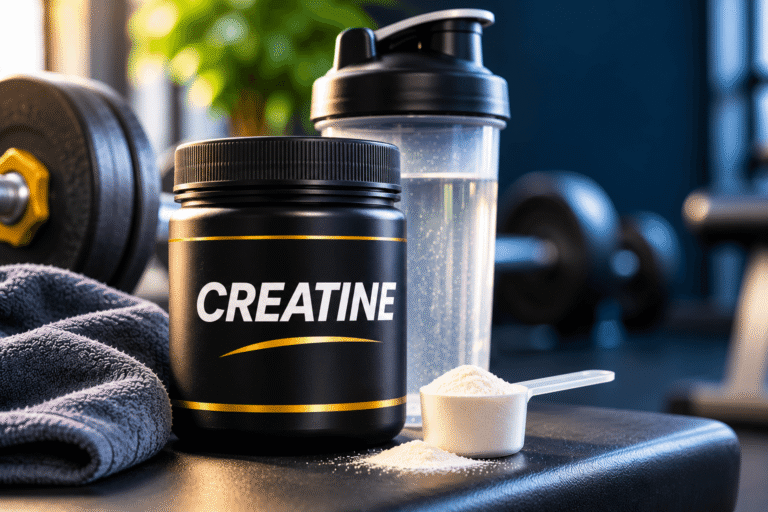
Does creatine cause hemorrhoids? Not directly. No strong evidence shows that creatine itself causes hemorrhoids (also called piles, which are swollen veins around the anus). But habits that often come with training and supplements, like straining on heavy lifts, drinking too little water and eating too little fiber, can make hemorrhoids more likely.
If you have noticed itching, a lump or a little blood since you started creatine, you are not alone, and it is worth understanding what is really going on. Below we explain it in plain words.
We could not find large studies that test creatine and hemorrhoids together. So, does creatine cause hemorrhoids? Nobody can honestly say it is a proven cause. What we do know is how hemorrhoids form: pressure and straining. That is why the real question is less “is it the creatine?” and more “what else changed when I started training and taking it?”
Many people think creatine dries you out and makes stool hard. The research does not support that at normal doses. A review of the evidence by a sports nutrition society found no support for the claims that creatine causes dehydration or cramps, and some studies suggest it may help hydration during exercise.
Large doses can do the opposite and cause loose stools or an upset stomach in some people. Frequent diarrhea can also irritate the area, so it is not a free pass.
What is a “loading phase”? It is when people take a big daily dose of creatine for the first week to fill their muscles faster. It is optional, and it is the stage most likely to upset your stomach.
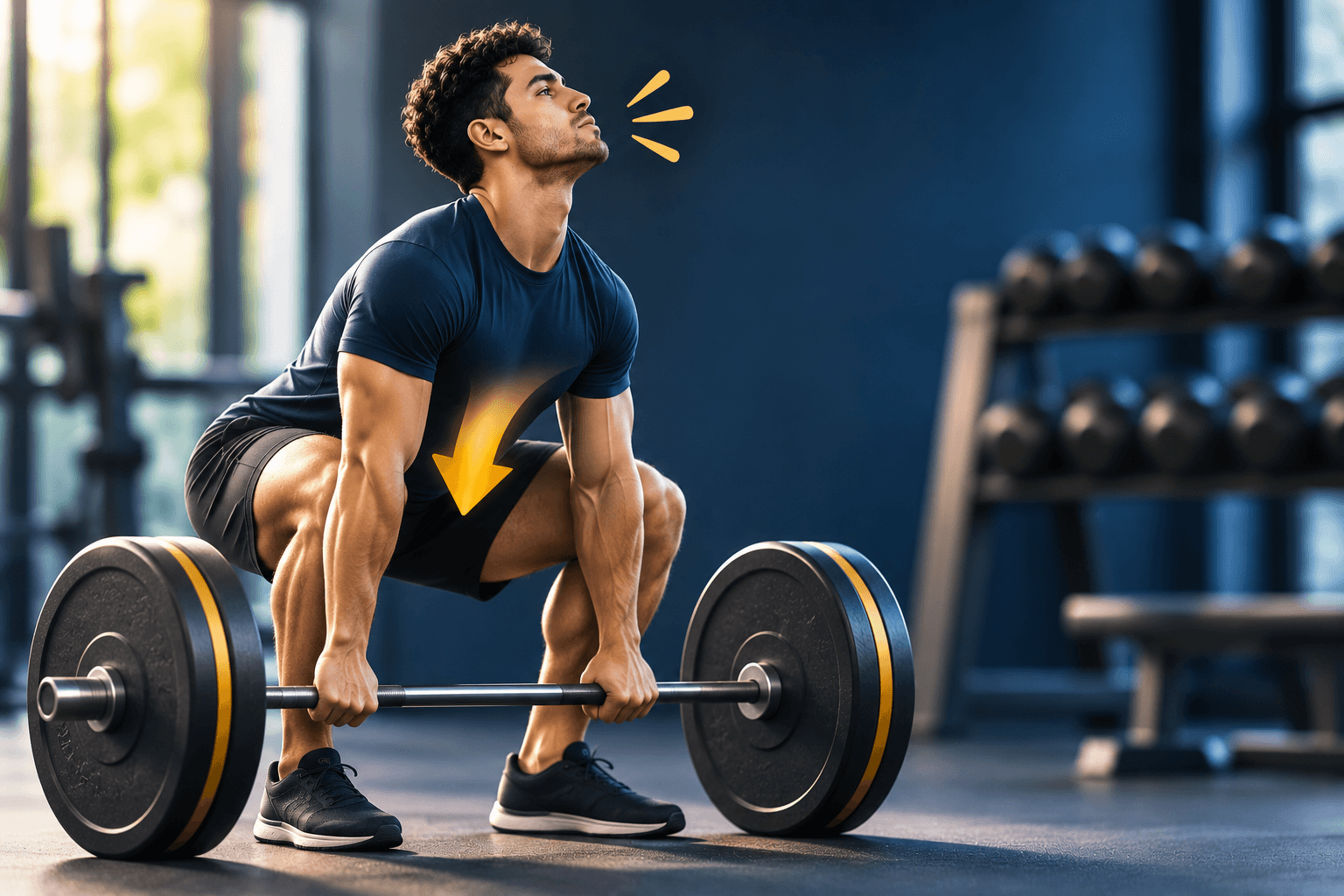
This is the part that is most likely to affect you. When you lift something heavy and hold your breath, pressure in your belly goes up and pushes on the veins near the anus. Doing this over and over can make those veins swell.
What is the Valsalva maneuver? It is the medical name for holding your breath and bearing down, the way many people do on a heavy squat or deadlift. Breathing out as you push instead of holding your breath lowers that pressure.
We cover this in more detail in our guide on hemorrhoids from weightlifting.
| Habit | Why it can matter |
|---|---|
| Not enough water | Stool gets hard, so you strain more on the toilet. |
| Not enough fiber | High-protein diets can be low in fiber, which makes stool harder to pass. |
| Holding your breath on lifts | Raises pressure around the veins near the anus. |
| Sitting on the toilet with your phone | Long sitting adds pressure without helping. |
| Skipping the urge to go | Stool dries out and gets harder later. |
If you sit most of the day as well as train, read hemorrhoids from sitting all day.
Sometimes. A little bright red blood on toilet paper after a hard workout is often from a hemorrhoid or a small tear in the skin (called an anal fissure). But blood should never be assumed to be harmless.
See a doctor soon if: the blood is dark red, maroon or black, it keeps coming back, you feel dizzy or weak, the pain is strong, or you are over 45 and it is new. These can have other causes that need checking.
Not sure which one you have? See anal fissures vs. hemorrhoids.
For most office workers, sitting is only part of the picture. A few other habits tend to stack on top of it:
Some fruits help and some do not, so see which fruit is not good for piles.
Try the steps above for about 1 to 2 weeks. If bleeding, pain or a lump does not improve, or keeps coming back, creatine was probably not the main issue. At that point the hemorrhoid itself needs to be looked at, because diet and breathing changes alone will not shrink it.
If you are in the U.S.: many patients wait 4 to 6 months to see a colorectal specialist. You do not have to wait in discomfort. We treat patients from New York, Chicago and across the U.S., with an Arabic and English-speaking team and a female doctor available. Learn how effective laser treatment is or see our guide for U.S. patients.
Send us a message. Our Arabic and English-speaking team will answer your questions about your condition, with no obligation. نتحدث العربية.
Arabic-speaking lifter? You can ask us in Arabic. اقرأ المزيد بالعربية: الصفحة العربية
Not directly. No strong evidence shows creatine itself causes hemorrhoids. Straining, low water and low fiber are the more likely causes.
Research does not show that normal doses cause constipation or dehydration. Hard stools usually come from too little water or fiber. Big doses may cause loose stools in some people.
It can contribute, mainly when you hold your breath and strain, which raises pressure around the veins near the anus.
A little bright red blood on paper is often from a hemorrhoid or small tear, but blood should be checked by a doctor, especially if it is dark, repeated or painful.
There is no strong reason to stop for hemorrhoids alone. Drink more water and eat more fiber, and check with a doctor if creatine upsets your stomach or your stools change.

Note: we found no large studies testing creatine and hemorrhoids directly. This page explains the likely links based on how hemorrhoids form.
Sources

Advanced Laser Proctology · Amman
A specialist laser proctology clinic in Amman, Jordan. Serving international patients from the U.S., Europe, and the Arab world with minimally invasive anorectal care and same-week scheduling.
ISO 9001 Certified Clinic
9,000+ procedures completed
Jordan Trained Doctors
Lady doctor available for female patients
© 2026 Proctoclinic Jordan. All rights reserved.