
Reviewed within 24 hours
ISO 9001 Certified Clinic

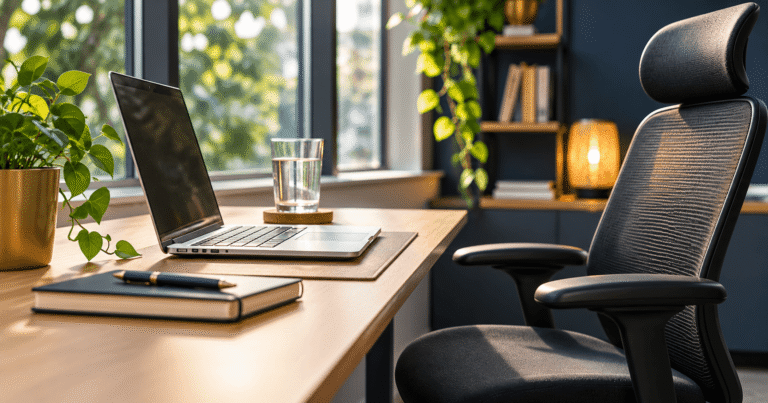
If you work a desk job, there’s a good chance your daily routine is quietly working against you. Prolonged sitting doesn’t single-handedly cause hemorrhoids, but it’s one of the most consistent contributing factors, and most office workers have no idea why.
Not on its own, but it’s a real contributing factor, and the mechanism is well understood. Sitting for long, unbroken stretches increases pressure on the veins around the rectum and anus, and compresses the pelvic floor, which reduces blood flow in that area. Over time, that pressure is part of what causes hemorrhoidal tissue to swell.
Office workers and professional drivers are specifically flagged in clinical sources as groups at higher risk, precisely because their jobs don’t naturally build in breaks from sitting.
Being straightforward about the research: most of the strongest scientific research on office sitting looks at musculoskeletal and cardiovascular health, not hemorrhoids specifically. Studies have found office workers often sit 66–82% of their working hours, with real downstream health effects. Research directly measuring hemorrhoid risk from office sitting hours specifically is more limited. The pressure mechanism is well established in colorectal medicine, even where large office-specific hemorrhoid studies are harder to find.
For most office workers, sitting is only part of the picture. A few other habits tend to stack on top of it:
Individually, none of these feel significant. Together, they add up, which is also good news, because it means small, specific changes can meaningfully help.
1
This is the most commonly recommended target in workplace sedentary-behavior research. A short walk, standing during a call, or a lap around the office is enough.
2
“I’ll hold it till after this call” adds up. Holding it in and then straining later works against you more than taking two minutes when you need to.
3
Hydration is what lets fiber actually soften stool. A glass of water next to your laptop is a small habit with real effect.
4
Fruit, nuts (where tolerated), or a higher-fiber snack at your desk beats defaulting to the vending machine. Aim for 25–30 grams of fiber across the day.
5
Research on sit-stand desks shows access alone doesn’t change behavior much it has to be used deliberately, ideally alternating every 30–60 minutes.
6
A supportive, well-ventilated cushion won’t fix the root cause, but it can reduce direct pressure during long unavoidable sitting blocks.
These changes work alongside general at-home management — fiber targets, hydration, and sitz baths. Full guide: How to Manage Hemorrhoids at Home →
If you’ve made these changes consistently for a couple of weeks and symptoms aren’t improving, or you’re seeing blood, worsening pain, or recurring flare-ups. Sitting habits alone aren’t the issue anymore. At that point, the hemorrhoid itself needs direct treatment, not just better ergonomics.
Worth knowing if you’re in the US: many professionals in this exact situation face a 4–6 month wait for a colorectal consult. That’s a long time to keep adjusting your desk setup while symptoms persist. If home and workplace changes aren’t enough, it’s worth knowing faster options exist, not as a replacement for trying the basics first, but as the next step once you have.
If sitting less and adjusting your routine hasn’t resolved it, it’s worth understanding your actual treatment options. Submit your case and our team will review it within 24 hours. No obligation.
Not directly on its own, but it’s a real contributing factor. Prolonged sitting increases pressure on the veins around the rectum and reduces blood flow, which can contribute to hemorrhoids developing or worsening, especially alongside low fiber intake and delayed bathroom breaks.
Standing or moving for a few minutes roughly every hour is a commonly recommended target, based on workplace sedentary-behavior research.
This article is for general information and isn’t a substitute for medical advice. Proctoclinic · Amman, Jordan. Medically reviewed by Dr. Aref Hammam, last reviewed November 2026.
Sources

Advanced Laser Proctology · Amman
A specialist laser proctology clinic in Amman, Jordan. Serving international patients from the U.S., Europe, and the Arab world with minimally invasive anorectal care and same-week scheduling.
ISO 9001 Certified Clinic
9,000+ procedures completed
Jordan Trained Doctors
Lady doctor available for female patients
© 2026 Proctoclinic Jordan. All rights reserved.