
Reviewed within 24 hours
ISO 9001 Certified Clinic

Which fruit is not good for piles?
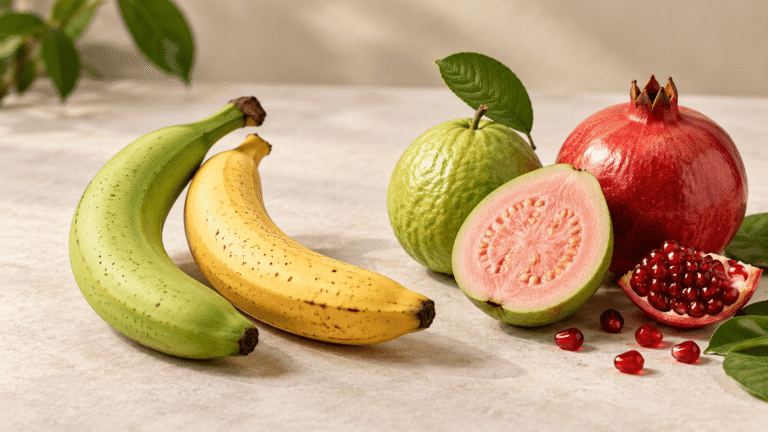
The fruits to avoid or limit are: unripe (green) bananas, hard-seeded fruits like guava, pomegranate, and prickly pear, canned or syrup-packed fruit, and sugared dried fruit. Each works against you in a different way. Some cause constipation, some physically irritate swollen tissue.
Think of the veins near the bottom of your body like small balloons. Normally they’re flat and you never notice them. But if you strain too hard, sit too long, or push too much (like with constipation), those “balloons” can swell up. That swelling is a hemorrhoid, not dangerous, but it can hurt, itch, or bleed a little, which is why people want it treated.
High in resistant starch, which can be constipating. Constipation means more straining — and straining is one of the main causes of piles getting worse.
These contain hard, abrasive seeds that can irritate hemorrhoids and anal fissures as they pass through, worsening pain or bleeding.
Hard, rough seeds are a direct physical irritant. As they pass through already-swollen or sensitive tissue, they can scrape or press against it — which can worsen pain, bleeding, or itching, especially during a flare-up or if you also have an anal fissure.
Fruits with hard seeds to be cautious with: guava, pomegranate, and prickly pear, along with nuts of any kind.
This is one of the most searched questions on this topic, and for good reason, it’s counterintuitive. Bananas are usually recommended for piles, so why would they ever be bad?
The answer is ripeness. Green, unripe bananas are high in resistant starch; a type of starch your body digests slowly, which can have a binding, constipating effect. Once a banana ripens and turns yellow, much of that resistant starch converts into simpler sugars and soluble fiber (pectin), which does the opposite. It softens stool and makes it easier to pass.
The same general idea applies to other fruits eaten before they’re ripe. Unripe plums and figs are more astringent and can be binding compared to their ripe versions.
Note: the hard-seed guidance above reflects our clinic’s direct advice. The unripe-fruit and resistant-starch point is a widely repeated, physiologically plausible explanation. If you notice it affects you personally, it’s reasonable to avoid unripe fruit during a flare-up.
| Fruit / form | Concern | What to do instead |
|---|---|---|
| Unripe bananas | Avoid Resistant starch, constipating | Wait until fully yellow and ripe |
| Guava (with seeds) | Avoid Hard seeds irritate tissue | Seedless guava paste/pulp in moderation |
| Pomegranate (seeds) | Avoid Hard seeds irritate tissue | Pomegranate juice without seeds, in moderation |
| Prickly pear | Avoid Hard seeds irritate tissue | Skip during a flare-up |
| Canned/syrup-packed fruit | Limit Low fiber, added sugar | Choose fresh or frozen fruit instead |
| Sweetened dried fruit | Limit Added sugar, little fiber benefit | Plain dried fruit, soaked in water first |
| Watermelon / muskmelon (as your only fruit) | Limit Hydrating but comparatively low in fiber | Pair with a higher-fiber fruit, not as a fiber substitute |
The fruits most consistently recommended for piles are ripe and high in fiber — especially soluble fiber, which forms a gel that softens stool:
Diet is one piece of the picture. For a full plan on managing symptoms at home, see our guide: How to Manage Hemorrhoids at Home →
This is the honest question most people actually want answered.
Symptoms are mild, some itching or occasional discomfort and this is new or infrequent. Give diet changes (ripe, high-fiber fruit, more water, avoiding the fruits above during a flare-up) about 1–2 weeks to work.
You’re seeing blood, symptoms last more than 2–3 weeks despite diet changes, pain is getting worse, or this keeps coming back. At that point, diet alone usually isn’t solving the underlying issue.
We’d rather tell you honestly that diet adjustments might solve it, than push you toward treatment you don’t need yet. But if it’s persistent or recurring, it’s worth understanding your actual options: How Effective Is Laser Treatment for Hemorrhoids? →
If symptoms have lasted more than a couple of weeks or keep coming back, it’s worth a proper look. Submit your case and our team will review it within 24 hours — no obligation.
Unripe bananas, hard-seeded fruits like guava, pomegranate, and prickly pear, canned or syrup-packed fruit, and sugared dried fruit are the main ones to avoid or limit.
Unripe, green bananas are high in resistant starch, which can be constipating. Constipation leads to straining, which worsens piles.
Yes. Hard, abrasive seeds in these fruits can irritate hemorrhoids and anal fissures as they pass through, worsening pain or bleeding.

Advanced Laser Proctology · Amman
A specialist laser proctology clinic in Amman, Jordan. Serving international patients from the U.S., Europe, and the Arab world with minimally invasive anorectal care and same-week scheduling.
ISO 9001 Certified Clinic
9,000+ procedures completed
Jordan Trained Doctors
Lady doctor available for female patients
© 2026 Proctoclinic Jordan. All rights reserved.