Reviewed within 24 hours

ISO 9001 Certified Clinic


What's the Newest Procedure to Remove Hemorrhoids? A Surgeon's 2026 Guide

Dr Aref Hammam
Dr. Aref Hammam
Laser Proctology Specialist, Proctoclinic Jordan
Published: July 18, 2026
Category: Patient Guide
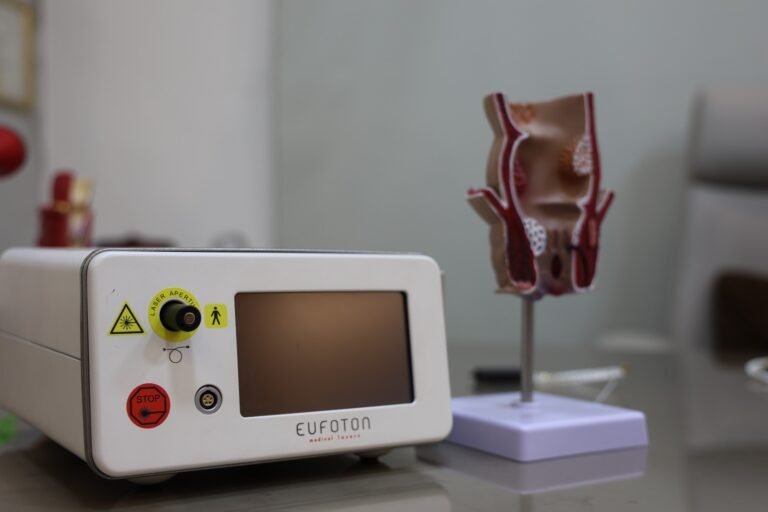
Eufoton Diode Laser

Quick Answer

The most recently developed procedures for hemorrhoid removal are diode laser hemorrhoidoplasty (LHP)radiofrequency ablation (RFA), and doppler-guided hemorrhoidal artery ligation with rectoanal repair (HAL-RAR) — all introduced in clinical practice within the last 10–20 years. Among them, laser hemorrhoidoplasty using the 1470, 1940 nm diode laser is the most widely adopted in specialist centres globally. But “newest” doesn’t always mean “best for everyone.” The right procedure depends on your hemorrhoid grade, anatomy, and an experienced specialist’s assessment.

When patients ask about the “newest” hemorrhoid procedure, they’re really asking a more honest question: is there something better than what my doctor recommended? The answer, in many cases, is yes — but it depends on who is performing it and which procedure matches your specific condition. This guide ranks every modern hemorrhoid treatment by clinical evidence, pain levels, and recovery time, based on peer-reviewed data published through 2026.

Why "newest" doesn't always mean "best"

The history of hemorrhoid surgery is full of procedures that were marketed as revolutionary, only to be quietly retired when long-term data revealed their weaknesses. Stapled hemorrhoidopexy is the clearest example: widely adopted in the 2000s as a less painful alternative to conventional surgery, it is now shown in a 2026 meta-analysis of 17 randomised controlled trials (1,041 patients) to carry a 56% higher long-term recurrence risk than conventional hemorrhoidectomy.1

The better question is: which procedure has the best combination of low pain, fast recovery, durable results, and low complication risk — for your specific grade of hemorrhoids? That is what this guide answers.

6

major modern hemorrhoid procedures, each with distinct indications

2,492

patients in the 2024 PubMed laser meta-analysis2

~20 yrs

since laser hemorrhoidoplasty entered clinical practice

9,000+

laser procedures by Dr. Aref Hammam at Procto Clinic

Every modern hemorrhoid procedure — ranked by evidence

Diode laser (LHP) — 1470 nm Specialist centres
Best forGrade 1–3
Pain level★★☆☆☆ Low
Recovery5–7 days
RecurrenceLow–moderate
🔍
HAL-RAR (doppler artery ligation) Growing adoption
Best forGrade 2–3
Pain level★★☆☆☆ Low
Recovery~1 week
RecurrenceModerate (17.6%)
Radiofrequency ablation (RFA) Emerging
Best forGrade 1–2
Pain level★★☆☆☆ Low
Recovery3–5 days
RecurrenceLimited data
Rubber band ligation Office procedure
Best forGrade 1–2
Pain level★☆☆☆☆ Minimal
Recovery1–2 days
RecurrenceModerate (28%)
🔧
Stapled hemorrhoidopexy Higher recurrence
Best forGrade 2–3 internal
Pain level★★☆☆☆ Low
Recovery1–2 weeks
Recurrence+56% vs traditional
Traditional hemorrhoidectomy Gold standard
Best forGrade 3–4, all types
Pain level★★★★★ High
Recovery4–6 weeks
RecurrenceLowest long-term
ProcedureBest forPainRecoveryRecurrenceStatus
Diode laser (LHP)Grade 1–3★★☆☆☆ Low5–7 daysLow–moderateSpecialist centres
HAL-RARGrade 2–3★★☆☆☆ Low~1 weekModerate (17.6%)Growing adoption
Radiofrequency ablationGrade 1–2★★☆☆☆ Low3–5 daysLimited dataEmerging
Rubber band ligationGrade 1–2★☆☆☆☆ Minimal1–2 daysModerate (28%)Office procedure
Stapled hemorrhoidopexyGrade 2–3 internal★★☆☆☆ Low1–2 weeks+56% vs traditionalUse with caution
Traditional hemorrhoidectomyGrade 3–4, all types★★★★★ High4–6 weeksLowest long-termGold standard

Technology update — July 2026

Procto Clinic has upgraded from the 1470 nm to the 1940 nm diode laser for all proctological procedures. The clinical benefits are explained below.

1470 nm

1940 nm

How the wavelengths compare

What this means for patients: the 1940 nm wavelength sits at a higher water absorption peak than 1470 nm. In practical terms, the laser energy is absorbed more superficially and precisely — the zone of thermal interaction with tissue is measurably narrower. This reduces the theoretical risk of energy spreading to tissue beyond the targeted hemorrhoid. The clinical evidence base for 1940 nm in proctology is still developing; the 1470 nm remains the most extensively studied wavelength. Dr. Aref applies the same energy-calibration protocol to 1940 nm procedures and will advise patients individually.

What each modern procedure actually involves

1. Diode Laser Hemorrhoidoplasty (LHP) — 1470 nm

Specialist procedure

Procto Clinic specialty

In clinical use since

~2006

Best grade

Grade 1–3

Recovery

5–7 days

Anesthesia

General / spinal

Evidence base

2,492 patients2

A diode laser fiber is guided to the hemorrhoidal tissue and delivers precise energy — calibrated in Joules based on the hemorrhoid’s grade — that causes the tissue to shrink without cutting or stitching. The 1470 nm wavelength is selectively absorbed by blood, minimising thermal spread to surrounding tissue. A cooling fluid is simultaneously injected as a protective barrier.

Advantages

Limitations

2. HAL-RAR (Doppler-guided Artery Ligation with Rectoanal Repair)

Growing adoption

In clinical use since

~2005

Best grade

Grade 2–3

Recovery

~1 week

Anesthesia

General / spinal

Evidence base

128 pts, 20253

A miniature Doppler probe is inserted into the anal canal to locate the arteries supplying blood to hemorrhoids. Each artery is individually tied off (ligated), cutting off the blood supply and causing the hemorrhoid to shrink. If prolapse is present, the RAR (rectoanal repair) component stitches the prolapsed tissue back into its correct anatomical position.

Advantages

Limitations

3. Radiofrequency Ablation (RFA)

Emerging technique

In clinical use since

~2015

Best grade

Grade 1–2

Recovery

3–5 days

Anesthesia

Local / light sedation

Evidence base

Limited (emerging)

High-frequency radio waves generate precisely controlled heat that targets and shrinks hemorrhoidal tissue. Similar in concept to laser but using radiofrequency energy instead of light. Gaining popularity in some centres as an office-based procedure for early-grade hemorrhoids. Long-term comparative data versus laser and traditional surgery is still limited.

Advantages

Limitations

4. Rubber Band Ligation (RBL)

Office procedure

In clinical use since

1960s

Best grade

Grade 1–2

Recovery

1–2 days

Anesthesia

None required

Evidence base

Decades of data

A rubber band is placed at the base of an internal hemorrhoid, cutting off its blood supply. The hemorrhoid shrivels and falls off within 1–2 weeks. Not new — but refined with improved disposable ligators and suction-assisted devices. Highly effective for Grade 1–2, with an 85–97% short-term success rate. Recurrence at 28% is higher than surgical options over time.4

Advantages

Limitations

5. Stapled Hemorrhoidopexy (PPH / Procedure for Prolapse and Hemorrhoids)

Higher recurrence risk

In clinical use since

~1998

Best grade

Grade 2–3 internal

Recovery

1–2 weeks

Anesthesia

General / spinal

Evidence base

17 RCTs, 2,072 pts1

A circular stapling device removes a ring of mucous membrane above the hemorrhoids, pulling prolapsed tissue back into position and interrupting the blood supply. Less painful than traditional hemorrhoidectomy in the short term. However, a 2026 meta-analysis of 17 RCTs found stapled hemorrhoidopexy carries a 56% higher overall recurrence risk and significantly more prolapse recurrence compared to conventional hemorrhoidectomy.1

Advantages

Limitations

6. Traditional Hemorrhoidectomy (Milligan-Morgan / Ferguson)

Gold standard — lowest recurrence

In clinical use since

1930s

Best grade

Grade 3–4, external

Recovery

4–6 weeks

Anesthesia

General / spinal

Evidence base

80+ years of data

Hemorrhoidal tissue is surgically excised using a scalpel, electrocautery, or energy device (LigaSure/Harmonic). The wound is left open (Milligan-Morgan) or sutured closed (Ferguson). The most definitively curative procedure with the lowest long-term recurrence rate of any technique. The trade-off is the most painful recovery and the longest return-to-activity time of any option.

Advantages

Limitations

What the clinical evidence actually shows

The honest clinical picture for laser hemorrhoidoplasty

2024 systematic review and meta-analysis published in PubMed, covering 19 studies and 2,492 patients, provides the most comprehensive evidence on laser hemorrhoidoplasty to date.2 Here is what it found — including the parts that are sometimes glossed over.

⚠️ What the data also shows — and we tell every patient

“The laser is much more precise. Traditional surgery involves cutting, which causes bleeding and reduces visibility. The laser only targets the specific diseased tissue you want to treat. But it depends heavily on the surgeon’s expertise to direct the laser correctly and deliver the exact required energy in Joules, tailored to the grade of the hemorrhoids.”

2024 comparative study of 230 patients (laser vs. stapled hemorrhoidopexy) found that patients treated with laser hemorrhoidoplasty experienced significantly less postoperative pain, reduced blood loss, shorter hospital stays, faster recovery, and quicker return to daily activities — with all differences statistically significant (P < 0.001). Average surgery time was also shorter for laser (24.5 vs 30.2 minutes).5

Finding the right procedure for your grade

Which procedure is right for which hemorrhoid grade?

No surgery required

Grade 1
Internal only, no prolapse

First choice: Conservative treatment (fiber, hydration, sitz baths) — many Grade 1 cases resolve without intervention.
If intervention needed: Rubber band ligation or radiofrequency ablation. No surgery required

Laser preferred

Grade 2
Prolapses, self-retracts

Best options: Rubber band ligation (for smaller cases), laser hemorrhoidoplasty, or HAL-RAR. Laser offers the fastest recovery with comparable outcomes.

Laser or HAL-RAR

Grade 3
Requires manual reduction

Best options: Laser hemorrhoidoplasty (by specialist), HAL-RAR, or traditional hemorrhoidectomy. Laser by an experienced surgeon offers the best pain/recovery profile.

Case-by-case

Grade 4
Permanently prolapsed

Best options: Traditional hemorrhoidectomy (definitive, lowest recurrence), or laser by a highly experienced specialist for selected cases. Requires individual case assessment.

Laser or surgery

External hemorrhoids

Options: Laser can treat external hemorrhoids effectively. Thrombosed external hemorrhoids may need urgent excision. Traditional surgery for large or complex external cases.
— see our external hemorrhoid guide.

Laser or surgery

Fistula / Fissure / Pilonidal

Laser is particularly advantaged here: For fistulas, laser avoids cutting the sphincter entirely — eliminating incontinence risk. See: fistulafissurepilonidal sinus.

The variable no comparison table captures

Why the surgeon matters as much as the procedure

Every procedure comparison in this guide assumes a competent, experienced specialist performing the technique. In reality, this is the most important variable — and the one most patients don’t ask about.

Laser hemorrhoidoplasty in particular is highly technique-dependent. The energy delivery (measured in Joules) must be calibrated for each individual hemorrhoid column based on its grade, size, and vascularity. Too little energy and the hemorrhoid doesn’t shrink adequately. Too much and surrounding tissue can be damaged. This calibration is a clinical skill that comes with experience — not a setting you select from a device menu.


★ What to ask before choosing a surgeon for laser treatment

Related reading

Explore more guides on conditions we treat and options for patients in the US:

Treatment
Full guide to the procedure, recovery, and what to expect
Treatment
How laser preserves the sphincter muscle
Treatment
Faster healing without surgical cutting
Treatment
Same-day procedure, back on your feet within days
For US patients
Full cost breakdown including travel
For US patients
Why patients wait 4–6 months — and what to do
Deep dive
Technical deep dive on mechanisms and outcomes

How to manage hemorrhoids at home — and when it’s time for real treatment

Common Questions

The most common concerns — answered directly

What is the newest procedure to remove hemorrhoids?

The most recently developed procedures for hemorrhoid removal are
diode laser hemorrhoidoplasty (LHP), radiofrequency ablation (RFA),
and doppler-guided hemorrhoidal artery ligation with rectoanal repair
(HAL-RAR) — all introduced in clinical practice within the last 10–20
years. Among these, laser hemorrhoidoplasty is the most widely adopted
in specialist centres globally. In terms of wavelength technology,
Procto Clinic now uses the 1940 nm diode laser — an upgrade from the
previously standard 1470 nm — which offers 7–12× greater water
absorption and a measurably narrower thermal damage zone (~682 μm vs
~1,158 μm), meaning more precise tissue targeting with less spread to
surrounding tissue. The 1940 nm is currently the subject of a dedicated
clinical trial (NCT05228054) in proctology.

Laser hemorrhoidoplasty and HAL-RAR consistently show the lowest postoperative pain scores in clinical studies. A 2024 systematic review of 2,492 patients found that laser hemorrhoidoplasty produced significantly lower pain than open hemorrhoidectomy. For Grade 1–2, rubber band ligation performed correctly is essentially painless. Traditional hemorrhoidectomy produces the highest pain scores of any procedure.

Laser hemorrhoidoplasty has the fastest recovery among surgical procedures — most patients drive home the same day and return to work within 5–7 days. HAL-RAR is comparable at approximately 1 week. Stapled hemorrhoidopexy requires 1–2 weeks. Traditional hemorrhoidectomy requires 4–6 weeks.

Traditional hemorrhoidectomy has the lowest long-term recurrence rate. A 2026 meta-analysis of 17 RCTs found stapled hemorrhoidopexy has a 56% higher recurrence risk than conventional surgery. Laser hemorrhoidoplasty shows comparable recurrence to hemorrhoidectomy for Grade 1–3 when performed by an experienced specialist with correct energy calibration.

For Grade 1–3 hemorrhoids, laser hemorrhoidoplasty offers significantly less pain, faster recovery (days vs. weeks), and comparable long-term outcomes to traditional hemorrhoidectomy. A 2024 comparative study of 230 patients found laser produced significantly less pain, reduced blood loss, shorter hospital stays, and faster recovery than stapled hemorrhoidopexy (P<0.001). For Grade 4 with large external components, traditional surgery may offer more durable results. Read our full comparison →

Yes — recurrence is possible with any hemorrhoid procedure, including laser. For laser hemorrhoidoplasty, recurrence risk is primarily managed through correct energy calibration based on hemorrhoid grade, performed by an experienced specialist. Conservative lifestyle changes (high-fiber diet, adequate hydration, avoiding straining) significantly reduce recurrence risk after any procedure.

HAL-RAR (Haemorrhoidal Artery Ligation with Rectoanal Repair) is a minimally invasive procedure using a Doppler probe to locate and tie off the arteries supplying blood to hemorrhoids, combined with stitching of prolapsed tissue back into position. A 2025 study of 128 patients reported a 17.6% symptomatic recurrence rate and 76.6% completion as a day-case procedure. It is best suited for Grade 2–3 hemorrhoids.

Laser hemorrhoidoplasty is available at some US centres but access is limited and wait times can extend to months. Many US-based patients — particularly Arabic speakers in New York and Chicago — travel to Procto Clinic in Amman, Jordan, where they can be seen within days. See our US wait time guide →

Not sure which procedure is right for you?

Submit your reports for a free specialist review by Dr. Aref. He will assess your grade, anatomy, and history — and give you a straight answer on which procedure is most appropriate. Response within 24 hours, in English and Arabic.

References:

1. Lauricella S et al. Long-term outcomes of stapled haemorrhoidopexy versus conventional haemorrhoidectomy. Int J Colorectal Dis. 2026. PMC12808294
2. Li Z et al. Systematic review comparing 980nm vs 1470nm in laser hemorrhoidoplasty. Int J Colorectal Dis. 2024. PubMed 39048788
3. Gosavi R et al. Doppler-guided HAL-RAR: institutional experience. J Clin Med. 2025. PMC12347116
4. HAL vs RBL meta-analysis. PMC. 2025. PMC11955090
5. Laser hemorrhoidoplasty vs stapled hemorrhoidectomy propensity score study. PMC. 2024. PMC12341643
Published July 2026. For informational purposes only — not a substitute for medical advice.